


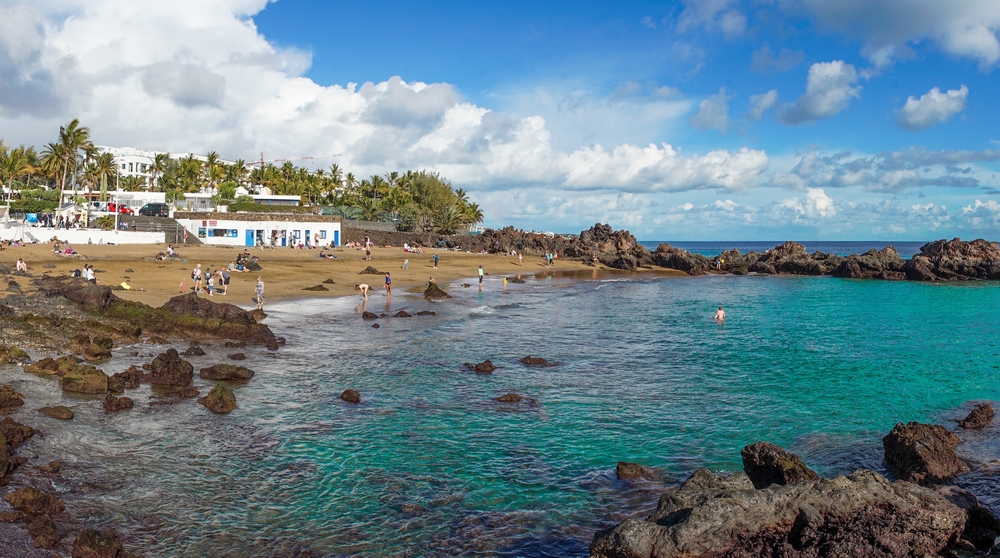
Lanzarote has quietly become one of the most sought-after islands in Europe for second-home buyers. With year-round sunshine averaging 24°C, a UNESCO Biosphere Reserve status, and flight times of just four hours from the UK, buying a holiday home in Lanzarote offers something few other destinations can match — reliability. The weather is predictable, the infrastructure is well-maintained, and the island's strict planning laws (a legacy of artist and architect César Manrique) mean it has avoided the overdevelopment that plagues parts of mainland Spain.
Whether you're considering a holiday apartment in Lanzarote for family getaways or a Lanzarote villa for sale as a long-term investment, this guide covers everything you need to know — from purchase costs and legal requirements to rental income potential and lifestyle benefits. At Roper Properties, we've helped hundreds of buyers navigate this process over the years, and we've distilled our experience into the practical advice below.
The Canary Islands as a whole attract over 15 million visitors annually, but Lanzarote holds a distinct position within the archipelago. Unlike Tenerife or Gran Canaria, Lanzarote has maintained a lower building profile — no high-rise hotels, no sprawling resort complexes. The island's commitment to preserving its volcanic landscape and architectural character means your home in Lanzarote is unlikely to be devalued by unchecked construction nearby.
Practical advantages include:
• Year-round usability: Unlike southern France or the Algarve, Lanzarote doesn't have a true "off-season." Winter temperatures rarely drop below 18°C, making the island viable for visits in every month of the year.
• Excellent connectivity: César Manrique-Lanzarote Airport (ACE) receives direct flights from over 20 UK airports, including regional hubs like Birmingham, Manchester, and Edinburgh. Ryanair, Jet2, TUI, and easyJet all operate regular services.
• Low crime rates: Lanzarote consistently ranks among the safest places in Spain, with violent crime figures well below the national average.
• EU consumer protections: As a Spanish territory, property transactions are governed by Spanish and EU law, offering buyers a level of legal certainty not available in non-EU destinations like Turkey or Morocco.
• No time zone hassle: Lanzarote operates on Greenwich Mean Time (GMT), the same as the UK for most of the year, making remote working and keeping in touch straightforward.
Purchasing Lanzarote holiday property follows Spanish conveyancing law, which differs from the English and Welsh system in several important ways. Here's what to expect:
1. Obtain an NIE number: The Número de Identificación de Extranjero is a tax identification number required for any financial transaction in Spain. You can apply at a Spanish consulate in the UK or at a police station in Lanzarote. Processing typically takes two to four weeks.
2. Open a Spanish bank account: You'll need this to pay taxes, utilities, and community fees. Most banks on the island — including CaixaBank, Santander, and Bankinter — have English-speaking staff.
3. Find the right property: Browse our Properties for sale listings to see what's currently available across Playa Blanca, Puerto del Carmen, Costa Teguise, and beyond.
4. Make a formal offer: Once accepted, a reservation contract is signed and a deposit (typically €3,000–€6,000) is paid to take the property off the market.
5. Legal due diligence: Your lawyer will check the Nota Simple (land registry extract), confirm there are no outstanding debts on the property, and verify planning permissions.
6. Sign the Escritura Pública: This is the completion deed, signed before a Spanish notary. At this point, the balance is paid and ownership transfers.
7. Register the property: Your lawyer registers the sale at the Land Registry (Registro de la Propiedad), making your ownership official.
For more detailed guidance on each of these stages, see our Buying tips page, where we walk through the specifics for international buyers.
Beyond the purchase price, buying a holiday home in Lanzarote involves several additional costs. Budgeting for these upfront avoids surprises later.
• Transfer Tax (ITP): 6.5% of the purchase price for resale properties. New-build properties attract IGIC (Canary Islands' equivalent of VAT) at 7%.
• Notary fees: Typically €600–€1,200, depending on the property value.
• Land Registry fees: Usually €400–€700.
• Legal fees: Expect to pay 1%–1.5% of the purchase price for an independent lawyer. Always use a lawyer who is separate from the estate agent or seller.
• IBI (council tax equivalent): Varies by municipality but is notably lower than UK council tax — often between €200 and €800 per year.
• Community fees: If you buy an apartment or a property within a complex, monthly community charges typically range from €50 to €200, covering pool maintenance, gardening, and communal areas.
• Non-resident income tax: Even if you don't rent the property out, non-resident owners must file an annual imputed income tax return (Modelo 210). The rate is 19% for EU residents, calculated on 1.1% or 2% of the cadastral value.
• Household insurance: Building and contents cover for a two-bedroom apartment typically costs €200–€400 annually.
As a general rule, total purchase costs add approximately 8%–10% on top of the sale price. So for a €200,000 apartment, budget around €216,000–€220,000 in total.
One of the strongest arguments for investing in Lanzarote property is the island's consistent rental demand. Tourism figures for the Canary Islands have shown remarkable resilience — even post-pandemic, visitor numbers recovered faster than most European destinations, with the islands welcoming 16.2 million tourists in 2023.
Key points about holiday letting in Lanzarote:
• Vivienda Vacacional licence: To legally rent your property to tourists, you must obtain a holiday rental licence from the Cabildo de Lanzarote. This requires meeting specific standards for furnishing, safety, and guest registration.
• Achievable rental yields: A well-located two-bedroom apartment in Puerto del Carmen or Playa Blanca can generate gross rental income of €15,000–€25,000 per year, depending on occupancy and nightly rates.
• High occupancy outside summer: Unlike Mediterranean destinations where rental demand drops sharply from October to April, Lanzarote benefits from strong winter bookings as Northern Europeans escape the cold. Many owners report 70%+ occupancy rates across the full year.
• Management services: If you're not on the island full-time, local property management companies can handle guest check-ins, cleaning, and maintenance for a fee of around 15%–25% of rental income.
It's essential to factor in Spanish tax obligations on rental income. Non-resident EU citizens pay 19% tax on net rental income (after deductible expenses), while non-EU residents pay 24% on gross income with no deductions. A specialist tax adviser can help structure this efficiently.
The island's largest resort town and home to the famous Avenida de las Playas. Puerto del Carmen offers the widest range of Lanzarote holiday property, from beachfront apartments to hillside villas with ocean views. It's the most practical choice for rental income thanks to its established tourism infrastructure, restaurants, and proximity to the airport (just 10 minutes by car).
Located on the southern tip of the island, Playa Blanca has grown significantly over the past two decades but retains a quieter, more upmarket feel. The Marina Rubicón area is particularly popular with buyers looking for a Lanzarote villa for sale in a prestigious setting. Papagayo beaches — widely regarded as the island's finest — are a short drive away.
Originally designed as a planned resort by César Manrique, Costa Teguise appeals to families and golf enthusiasts (the Lanzarote Golf course is here). Property prices tend to be slightly lower than Puerto del Carmen, making it attractive for first-time overseas buyers.
For buyers seeking authenticity over convenience, inland villages like Haría, Teguise, and Yaiza offer traditional Canarian architecture, often at lower prices per square metre. These properties suit long-stay owners more than short-term rental investors, as they're further from beaches and tourist amenities.
Buyers often weigh Lanzarote against mainland Spain (Costa del Sol, Costa Blanca), Portugal (Algarve), and other Canary Islands. Here's how Lanzarote holds up:
• Versus the Costa del Sol: Lanzarote's winter climate is significantly warmer and more consistent. Property prices in Lanzarote are generally lower than equivalent locations in Marbella or Estepona, though Málaga has better international flight connections.
• Versus the Algarve: Portugal's Golden Visa programme historically attracted investors, but it was significantly reformed in 2023, removing residential property as a qualifying investment. Lanzarote offers comparable weather and a more straightforward purchase process under Spanish law.
• Versus Tenerife: Both islands share the Canary Islands' tax advantages (lower IGIC rather than mainland IVA), but Lanzarote's stricter planning controls mean less risk of overdevelopment eroding property values over time.
• Versus the UK staycation market: A holiday apartment in Lanzarote can cost less than equivalent accommodation in Cornwall or the Lake District, with the significant bonus of 300+ days of sunshine annually.
The Canary Islands operate under a special economic zone (Zona Especial Canaria) that offers several fiscal advantages. IGIC (the Canary equivalent of VAT) runs at 7% versus 21% on mainland Spain. Stamp duty on new properties is also lower. These differences can save buyers thousands of euros compared to purchasing on the Costa Blanca or Costa del Sol.
Additionally, if you eventually become a Spanish tax resident (spending more than 183 days per year in Spain), the Canary Islands offer reduced personal income tax rates in certain brackets compared to mainland autonomous communities.
Playa Blanca or Puerto del Carmen? Choosing the Right Lanzarote Base for Your Property Purchase
Read more 17th August 2026
Sea View Property in Lanzarote: Where to Find the Best Views on the Island
Read more 14th August 2026